
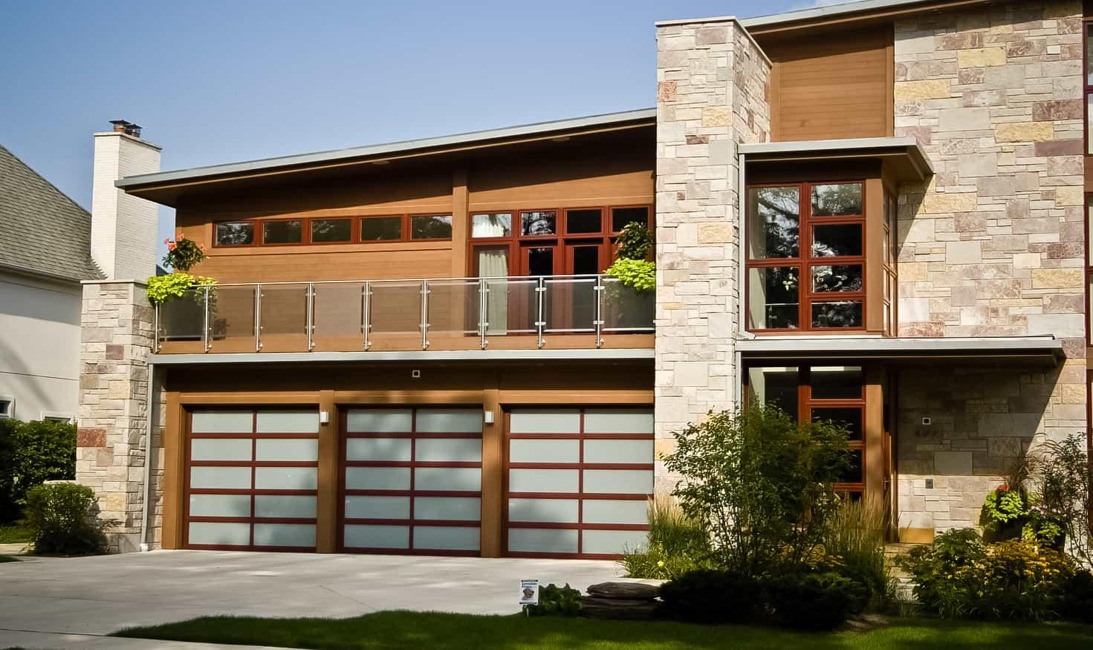
A driveway is one of those parts of a property that is easy to overlook until it starts causing problems.
Cracks begin spreading across the surface. Water collects after a storm. Edges start breaking away. A once-smooth entrance develops potholes or uneven sections. Eventually, what started as a small cosmetic issue can become a much larger repair or replacement project.
For homeowners, property managers, and commercial property owners, choosing the right driveway contractor is therefore about more than finding someone who can install a new surface. The contractor needs to understand what is happening underneath the driveway, how water moves across the property, what material is appropriate, and how the finished surface will be used.
Whether you are planning a new driveway in Rockville, repairing an older surface in Silver Spring, or improving a property in Bowie or Columbia, the right preparation can make a significant difference to the finished result.
What Does a Driveway Contractor Actually Do?
A driveway contractor handles the planning, preparation, installation, repair, resurfacing, or replacement of driveways and related paved surfaces.
Depending on the project, the work may involve removing an existing driveway, excavating the area, preparing the sub-base, grading the site, addressing drainage, installing the selected paving material, and finishing the edges.
For an existing driveway, the contractor may instead focus on repairing cracks, potholes, drainage problems, surface deterioration, or sections that have settled.
The visible driveway is only the final layer. Much of the work that determines how long it will last happens underneath it.
A New Driveway Starts With Proper Preparation
One of the biggest differences between a driveway that performs well and one that starts deteriorating prematurely can be what happens before the paving material is installed.
The contractor needs to consider the existing soil, drainage, slope, traffic, surrounding structures, and condition of the ground.
If the base is unstable or water is allowed to collect underneath the driveway, the finished surface can eventually crack, settle, or develop potholes.
This is why simply putting a new layer over an old or poorly prepared surface isn’t always the best approach.
A professional driveway contractor should evaluate the site and determine what preparation is necessary before recommending the final surface.
Asphalt or Concrete for Your Driveway?
Asphalt and concrete are two of the most common options for residential driveways, but they provide different characteristics.
Asphalt offers a practical, smooth surface and is commonly used for driveways and larger paved areas. It can work particularly well for properties where a straightforward paved appearance is preferred.
Concrete provides a different look and can offer a range of finishing and design possibilities. It is commonly used for driveways, walkways, patios, and other residential applications.
The right choice depends on more than personal preference. The contractor should consider the property’s layout, drainage, expected traffic, appearance, maintenance expectations, budget, and existing conditions.
There is no universal driveway material that is best for every property.
Maryland’s Seasons Can Put a Driveway to the Test
A driveway has to deal with changing conditions throughout the year.
Temperature fluctuations, freezing and thawing, heavy rain, moisture, summer heat, and everyday vehicle traffic can all contribute to pavement deterioration.
For homeowners in Montgomery County, Prince George’s County, Howard County, and communities around the Baltimore and Washington metropolitan areas, drainage and seasonal conditions deserve particular attention when planning a driveway project.
Water that enters cracks or collects beneath pavement can weaken the supporting layers. When the ground changes with temperature and moisture, those weaknesses can eventually become visible at the surface.
Proper preparation and drainage therefore aren’t optional details. They are part of building a driveway that can withstand everyday conditions.
Why Does a Driveway Crack?
Not every crack means the driveway needs to be replaced.
Small cracks can develop naturally as pavement ages. Other cracks may be caused by water, ground movement, temperature changes, heavy loads, poor installation, or problems with the underlying base.
The location and pattern of the cracking can provide clues about what is happening.
A few isolated cracks may be repairable. Widespread cracking, deep depressions, crumbling edges, or recurring potholes may indicate that the problem is more extensive.
Instead of simply covering the visible damage, a professional assessment can help determine why the driveway is deteriorating and what type of repair is appropriate.
When Should a Driveway Be Repaired?
Repair can make sense when the overall structure of the driveway remains sound.
Crack repair, patching, drainage corrections, or repairs to specific damaged sections may extend the life of an otherwise serviceable driveway.
The important thing is to address problems before they spread.
A small crack allows water to reach areas that were previously protected. Over time, repeated moisture and traffic can make the damaged section larger.
The earlier the problem is identified, the more options a homeowner may have.
When Is Replacement the Better Option?
Sometimes repairs are no longer the most practical solution.
If a driveway has extensive cracking, widespread settlement, repeated potholes, significant drainage problems, or major deterioration throughout the surface, replacing it may provide a more dependable long-term solution.
This does not mean every old driveway needs to be removed.
A qualified driveway contractor can inspect the existing surface and determine whether repair, resurfacing, reconstruction, or complete replacement makes the most sense.
The objective should be to choose the solution that fits the condition of the property—not automatically the most expensive option.
Don’t Forget About Drainage
A beautiful driveway can still develop problems if water has nowhere to go.
During a driveway project, drainage should be considered alongside the paving itself. The slope of the driveway, surrounding landscaping, gutters, downspouts, and neighboring surfaces can all influence where rainwater travels.
Properties in areas such as Rockville, Gaithersburg, Germantown, Bethesda, and Silver Spring can have different site conditions from one property to another. Some lots are relatively flat, while others have noticeable changes in elevation.
The driveway should be designed so that water can move away appropriately rather than collecting around the surface or foundation of the property.
The Edges Matter Too
Driveway edges can be vulnerable to deterioration, particularly where vehicles regularly drive over them or where there is little support from surrounding ground or landscaping.
Properly finished edges help define the driveway and can contribute to its overall durability.
The surrounding landscaping should also be considered. Soil, mulch, grass, drainage channels, retaining structures, and walkways can all interact with the driveway.
A driveway shouldn’t be treated as an isolated rectangle. It is part of the property’s larger landscape.
Driveway Contractor Near Me: What Should You Look For?
A search for “driveway contractor near me” can produce dozens of options, particularly around heavily populated areas such as Bethesda, Rockville, Silver Spring, Columbia, Laurel, Bowie, and the Baltimore metro area.
But proximity should not be the only deciding factor.
Look for experience with the type of driveway you need, a history of completed projects, appropriate insurance and credentials, clear communication, and detailed estimates.
Ask what preparation will be performed, what material will be used, how drainage will be addressed, and what the contractor expects the project timeline to look like.
A contractor who can clearly explain the process is usually easier to work with than one who simply gives you a price and asks you to sign.
Why the Cheapest Driveway Estimate May Not Be the Best
Driveway estimates can vary considerably.
One contractor may recommend extensive excavation and base preparation, while another may propose installing a new surface over the existing driveway.
On paper, the second option may look cheaper. But if the underlying problem is not addressed, the homeowner could end up paying for repairs again sooner than expected.
When comparing estimates, look beyond the final number.
Ask whether removal is included, what preparation is required, how drainage will be handled, what materials are being proposed, and whether cleanup and finishing work are included.
A detailed estimate allows you to compare the actual scope of work rather than simply comparing prices.
Driveways for More Than Single-Family Homes
Driveway work isn’t limited to individual residential properties.
Townhomes, apartment communities, HOAs, rental properties, offices, commercial buildings, and other properties may have private access roads, parking areas, loading areas, and paved entrances that require similar attention.
Property managers may also need to coordinate driveway and pavement repairs around tenants, employees, customers, or visitors.
In these situations, the contractor needs to consider not only the condition of the pavement but also how the property will continue operating while the work is being completed.
Planning a Driveway Project in Maryland, DC, or Northern Virginia
Local conditions matter, but they don’t have to dominate the conversation.
A driveway project in Frederick may have different site considerations from one in Annapolis. A property in Upper Marlboro may have different drainage characteristics from a home in Ellicott City. A commercial property near I-270 in Gaithersburg may also have very different traffic requirements from a residential driveway in Bowie.
That is why a good contractor should evaluate the property itself rather than applying the same approach to every project.
For homeowners and property owners throughout Maryland, Washington DC, and Northern Virginia, DMG Contractor Services LLC can help with property improvement and contracting needs while focusing on practical solutions suited to the project.
For specialized paving or driveway work, property owners should always make sure the contractor performing the work has the appropriate experience, qualifications, and equipment for the particular job.
What Should Be Included in Your Driveway Project?
Before work begins, make sure you understand exactly what the contractor is proposing.
The scope may include removal of the existing driveway, excavation, grading, base preparation, drainage work, installation of asphalt or concrete, edging, finishing, and cleanup.
Not every project requires all of these steps, but knowing what is included helps avoid misunderstandings.
It is also worth discussing the expected timeline and what happens if unexpected ground or drainage conditions are discovered during excavation.
A written agreement gives both the homeowner and contractor a clear reference point throughout the project.
A Good Driveway Should Work With the Property
The best driveway isn’t necessarily the most expensive one or the one with the most decorative features.
It is the one that suits the property, handles the expected traffic, directs water appropriately, complements the surrounding landscape, and is built on a properly prepared foundation.
For a homeowner in Montgomery Village, a property manager in Hyattsville, or a business owner in Towson, the specific requirements may be different, but the principle remains the same: the project should begin with understanding the property.
A driveway is a long-term part of your property, not simply a surface to cover the ground.
If you are seeing cracks, potholes, standing water, sinking sections, or deteriorating edges, don’t automatically assume that complete replacement is necessary. A professional assessment can help determine whether repair, resurfacing, reconstruction, or replacement is the most appropriate solution.
And if you’re planning a new driveway, take the time to understand what is happening beneath the finished surface.
From Rockville and Bethesda to Bowie, Columbia, Silver Spring, Frederick, Laurel, Ellicott City, and communities throughout the greater DC region, a well-planned driveway can improve both the appearance and everyday functionality of a property.
The right driveway contractor should be able to explain the work clearly, prepare the site properly, and recommend a solution based on the actual needs of your property—not simply sell you a new surface.